Activity 2.1.1.3: Hold quarterly meetings with 4 traditional leaders, 1 District Education Boad Secretary, 1 District Health Office representative, 2 Civic leaders, 5 School Heads, 10 PTA members, 2 executive members from 2 HCC, 2 executive members from CDF Committee, 4 extension officers and 15 SHG representatives to present findings from the social audit and policy research.
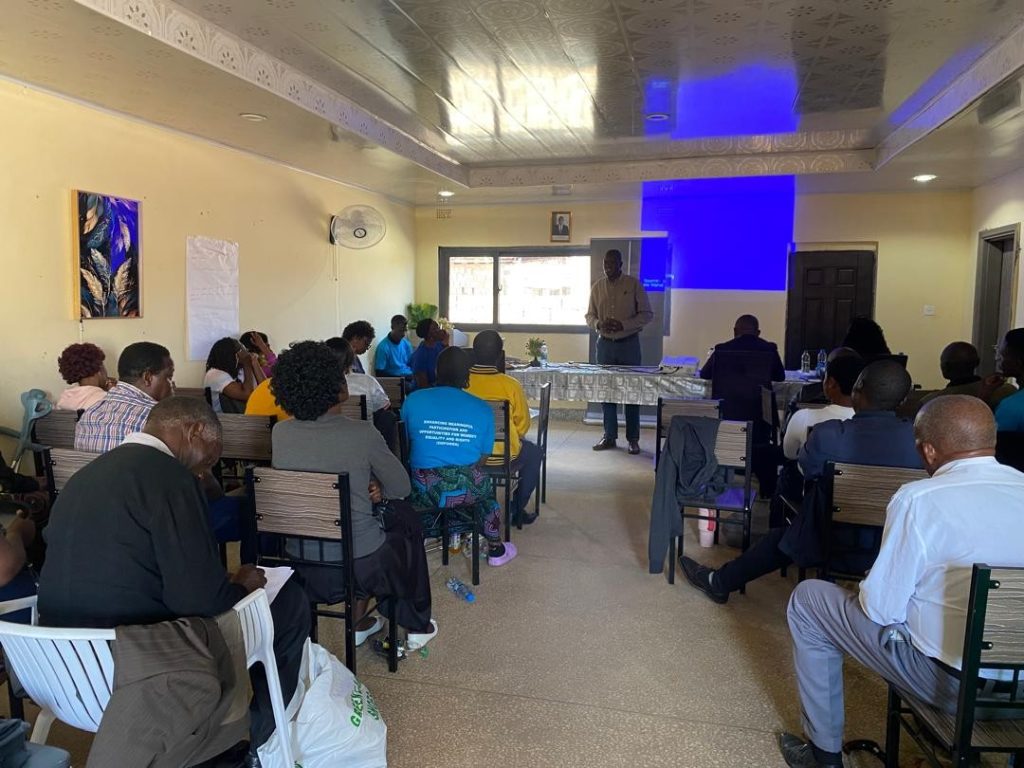
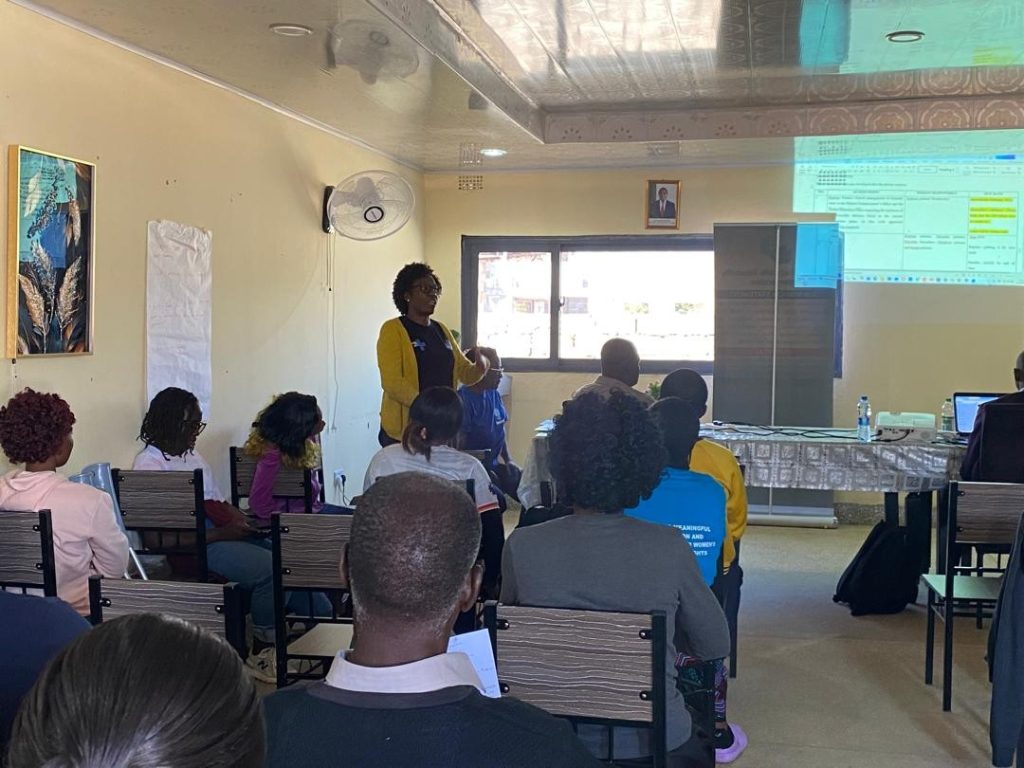
AHDI hosted Quarterly Review Meeting on 21st May 2026 at Kasanga Lodge in Mungule Ward to advance institutional accountability and grassroots inclusion within Chibombo District under Enhancing Meaningful Participation and Opportunities for Women’s Equality and Rights (WGF-EMPOWER). Key stakeholders among them were the Chibombo District Commissioner, Education Standard Officer – Special, District Agricultural Coordinator, school Head Teachers, Teachers, Traditional leaders, Ward Development Committee Zonal Chairpersons, and Community members convened to bridge data with action by sharing critical findings from the Accessibility and Social Audit alongside targeted Policy Research, highlighting a collective determination to dismantle systemic barriers that were hindering persons with disabilities from fully accessing education and healthcare services.
Rather than treating the research as static data, the plenary transformed these insights into a rigorous tracking mechanism to review and accelerate outstanding commitments from the meeting held on 30th January 2026, resulting in significant verifiable progress across several key action points. Specifically, all five targeted schools namely Kapopo, Moomba, Katete, Mutakwa, and Kayosha Secondary successfully aligned on standard engineering specifications provided by the Zambia Agency for Persons with Disabilities (ZAPD) to complete ramp installations by June 2026. Government enforcement also saw major milestones, with Chibombo District Commissioner Mr. Kayeka coordinating with the District Education Board Secretary to issue standing accessibility circulars to district engineers as well as schools while simultaneously spearheading the physical establishment of a localized ZAPD office to streamline disability services and allocation of land to persons with disabilities in Kapopo area awaiting processing of titles. Furthermore, community Self-Help Groups and traditional leadership in Mutakwa successfully mobilized households to prioritize accessible sanitation modifications and regular physiotherapy clinic visits. Overall, this multi-sectoral momentum reinforced a shared professional commitment, demonstrating that sustainable rights-based inclusion became a tangible, accountable reality across all targeted communities.